PLA is a biobased, biodegradable thermoplastic made by fermenting and polymerizing starch (such as glucose) extracted from renewable plant resources like corn, sugarcane, and cassava. It achieves a circular process from “plant to product and back to nature”, and is a representative achievement in green materials science.
- Biobased and Renewable
Sustainable raw materials: The raw materials come from annual crops and do not rely on fossil fuels, reducing the consumption of petroleum resources.
Carbon cycle friendly: The carbon dioxide absorbed during plant growth is released during the degradation of PLA, theoretically forming a nearly carbon-neutral cycle.
- Biodegradability
Degradation products: Under industrial composting conditions (requiring specific temperature, humidity, and microbial environment), it can ultimately decompose into carbon dioxide and water, without generating toxic residues, and has an extremely low environmental load.
- Material Performance Characteristics
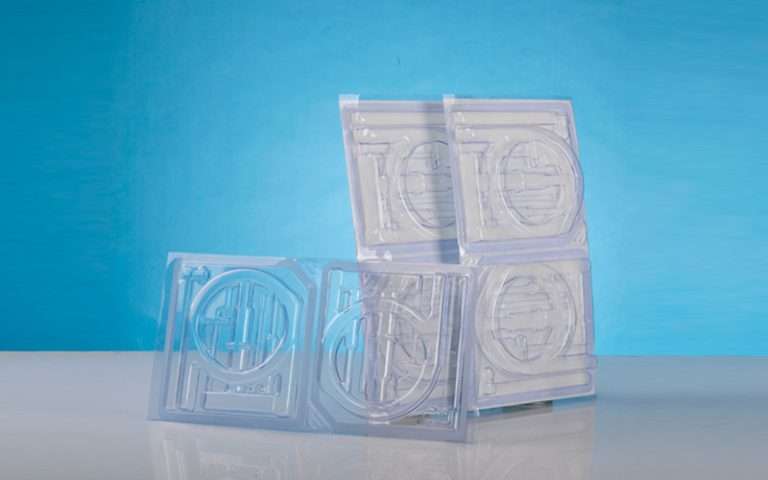
Good transparency and glossiness: It can be made into products as clear as the transparent plates and cups shown in the picture.
Certain mechanical strength and processability: It is suitable for various processing methods such as blow molding, injection molding, extrusion, and thermoforming, and can meet the performance requirements of many daily necessities.
Biocompatibility: It can be safely degraded in the body, and this characteristic makes it irreplaceable in the field of biomedicine.